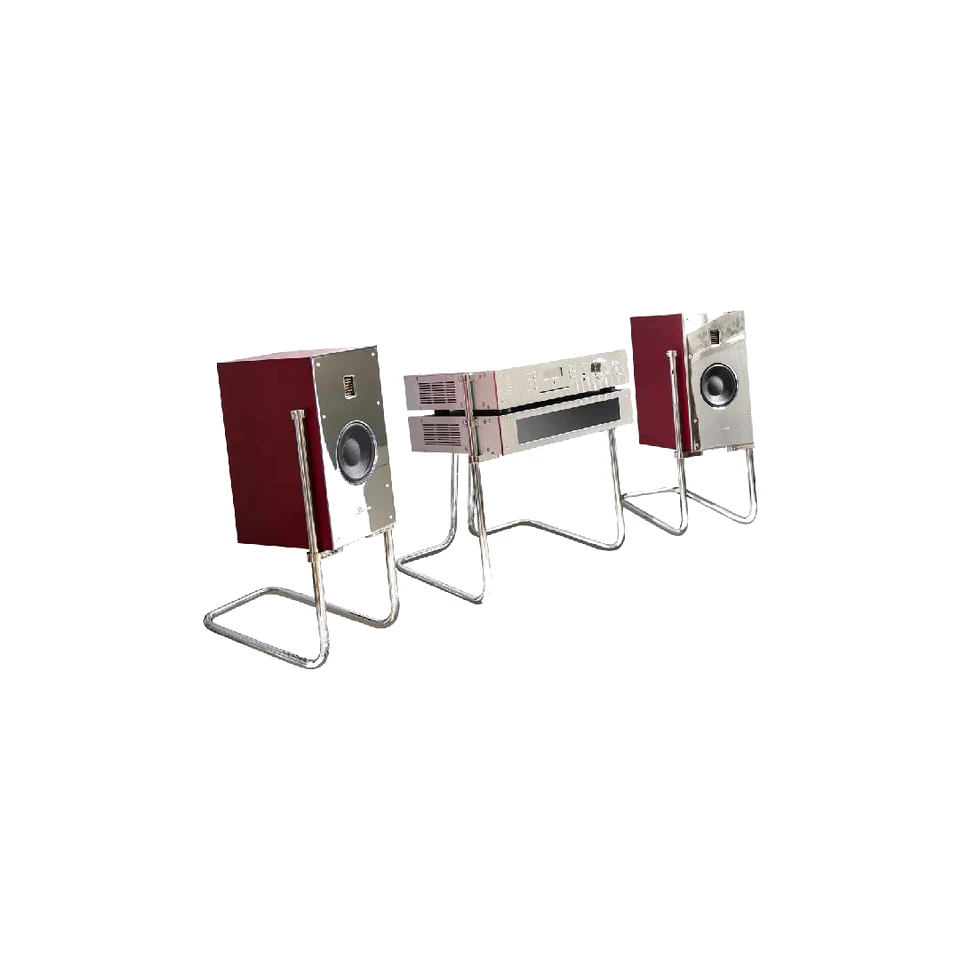
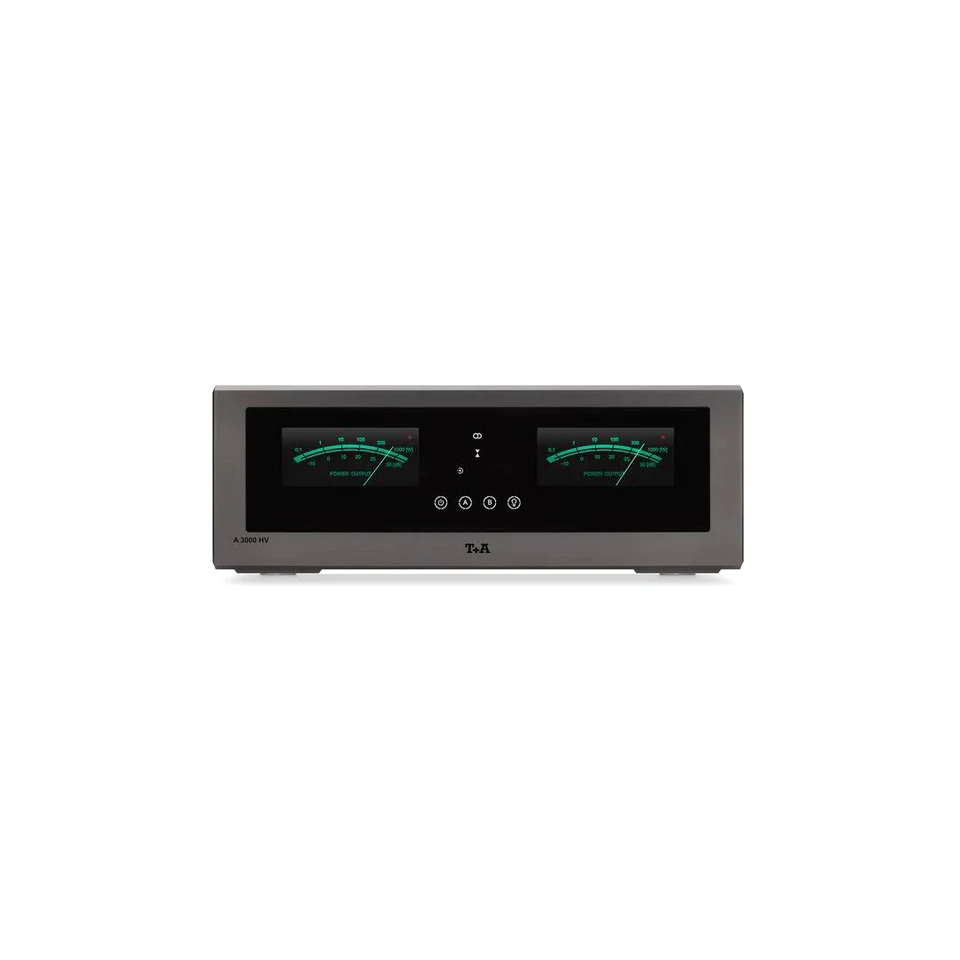
This applies both to the electronic components and the mechanical design of the case, since – if the aim is to attain the best possible sound – a preamplifier’s requirements are fundamentally different from those of an power amplifier: preamplifiers process relatively small signals, and the crucial aspect of their design is the avoidance of induced and other interference; power amplifier, on the other hand, have to cope with relatively large signals, and the stability of the power supply, its current delivery capacity and performance independent of load are much more important.
Technology
The entire electronic power circuit with output stages and mains power supply is housed in its own shielded compartment in the underside of the machine. The dividing wall between top and bottom sections is 10 mm thick and – of course – is also made of aluminium. Voltage amplification and current amplification circuitry is housed on separate circuit boards in separate case sections, in order to prevent mutual interaction. The sophistication of the design does not stop there, as we have even provided galvanic separation between the two. Thanks to this uncompromising design philosophy there is absolutely no feedback of the loudspeaker currents into the voltage amplifier stages, and complete freedom from loudspeaker loading effects. The voltage amplifier is an extremely linear, broad-band, cross-coupled differential cascode amplifier, followed by a single-ended Class A large signal stage which provides superb sound quality.